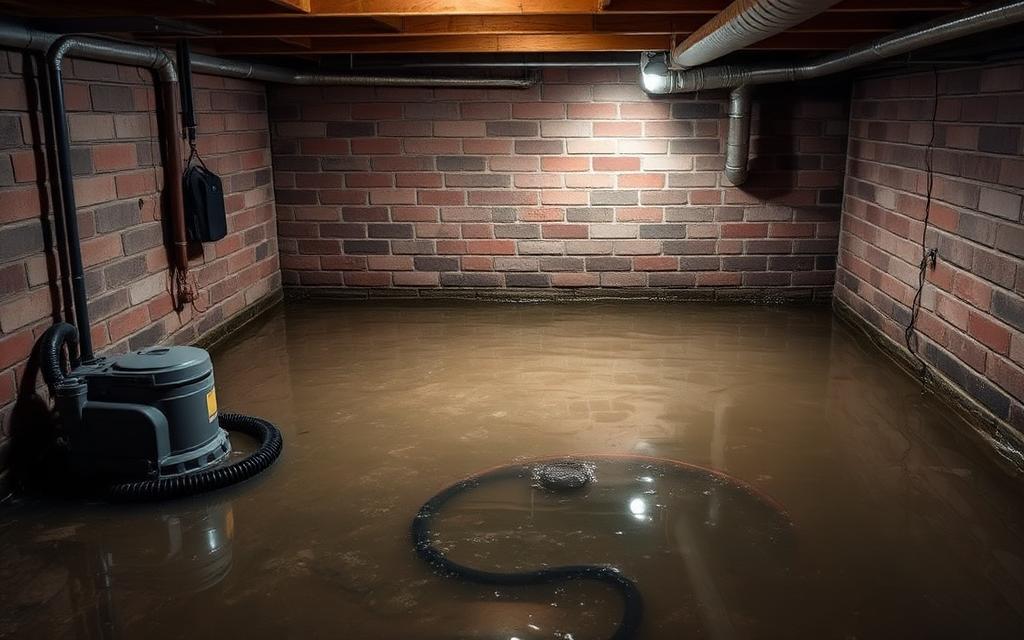
Why Canadian Basements Leak
Canada's climate presents unique challenges for basement waterproofing. Heavy rainfall, snowmelt, freeze-thaw cycles, and high water tables all contribute to moisture infiltration. In the Lower Mainland, annual rainfall exceeding 1,200 mm makes basement waterproofing a critical concern.
Common Causes of Basement Water Infiltration
- Failed perimeter drains — the most common cause in BC homes over 25 years old
- Foundation cracks — concrete shrinkage, settlement, and hydrostatic pressure
- Poor surface grading — soil slopes toward the house instead of away
- Gutter and downspout issues — concentrated roof water near the foundation
- Rising water table — seasonal groundwater levels exceed foundation depth
- Window well drainage failure — below-grade windows without proper drains
Exterior Waterproofing Solutions
Perimeter Drain Replacement
The most comprehensive solution. Excavating to the footings allows replacement of failed drain tiles, application of waterproof membrane, and crack repair. This addresses the root cause by managing groundwater before it reaches the foundation.
Foundation Membrane
Rubberized asphalt or polyethylene dimple board applied to the exterior foundation wall creates a waterproof barrier. Combined with proper drainage, this provides long-term protection.
Surface Grading and Drainage
Regrading the soil around your home to create a minimum 2% slope away from the foundation is often overlooked but highly effective. French drains, swales, and catch basins manage surface water.
Interior Waterproofing Solutions
Interior Perimeter Drain System
When exterior excavation is impractical (finished landscaping, attached structures, lot-line constraints), an interior system can be installed. A channel is cut along the interior perimeter of the basement floor, and perforated pipe directs water to a sump pit.
Sump Pump Systems
A sump pit with a reliable pump removes collected water and discharges it away from the foundation. Battery backup systems ensure protection during power outages — critical during storms when flooding risk is highest.
Crack Injection
Foundation cracks can be sealed from the interior using epoxy or polyurethane injection. Epoxy provides structural bonding; polyurethane remains flexible to accommodate minor movement.
Interior Drainage Membrane
Dimple board installed on interior foundation walls creates an air gap that allows moisture to drain down to the interior perimeter system rather than entering the living space.
Choosing the Right Approach
The best solution depends on your specific situation:
- New construction — exterior membrane + perimeter drains + proper grading
- Existing home with failed drains — exterior excavation and full replacement
- Finished basement you don't want to dig up outside — interior perimeter system + sump
- Isolated crack — injection repair may suffice
- High water table — sump pump system essential regardless of other measures
Cost Comparison
- Exterior perimeter drain replacement — $8,000–$15,000
- Foundation membrane (exterior) — $3,000–$8,000 (often combined with drain work)
- Interior perimeter system + sump — $5,000–$12,000
- Crack injection — $500–$1,500 per crack
- Sump pump installation — $1,500–$3,500
Prevention and Maintenance
- Keep gutters clean and extend downspouts 6+ feet from the foundation
- Maintain positive grading around the home
- Test sump pump operation quarterly
- Monitor basement humidity levels
- Schedule CCTV drain inspection every 3–5 years
- Address minor dampness before it becomes major infiltration