Drainage Lines Repair & Service in Canada
Professional Drainage Line Repair & Service
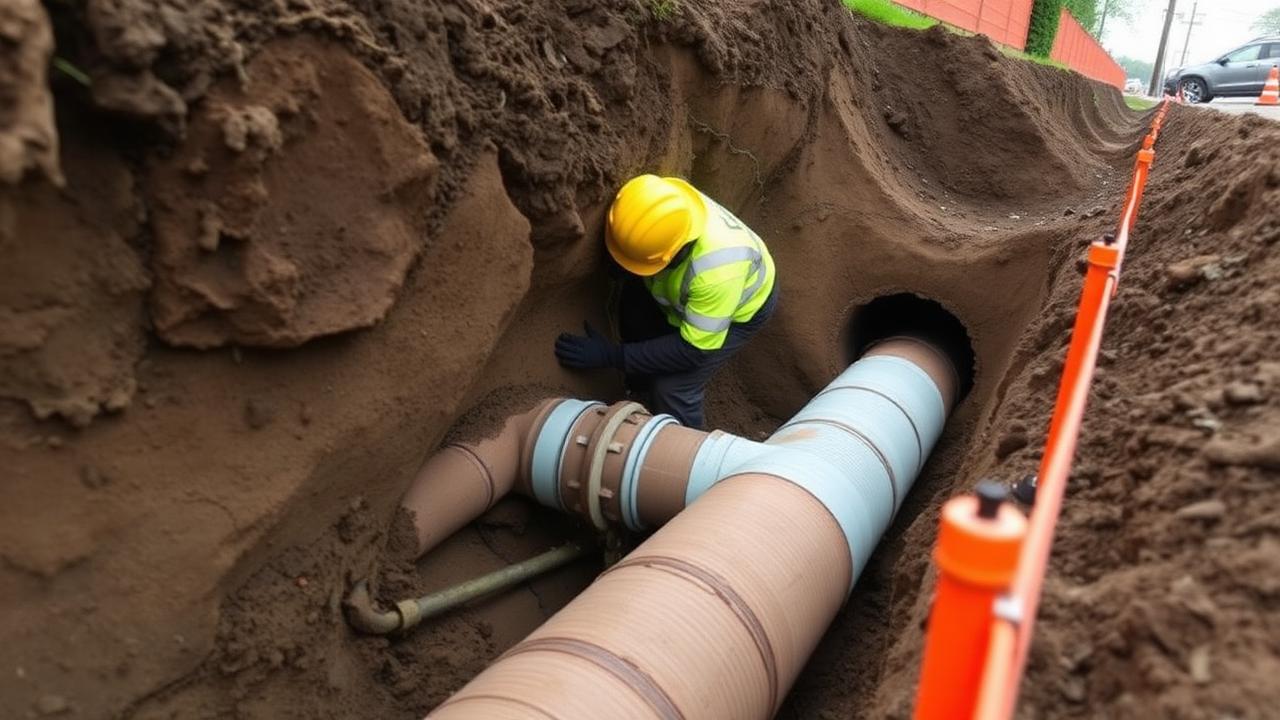
When CCTV inspection reveals structural problems in your drainage system — cracked pipes, collapsed sections, separated joints, or advanced deterioration — repair becomes necessary to prevent emergency failure, property damage, and health hazards. Modern drainage repair offers multiple approaches ranging from minimally invasive trenchless methods to traditional excavation, each suited to specific conditions and budgets.
The key to cost-effective drainage repair is accurate diagnosis followed by appropriate method selection. Not every pipe problem requires full replacement. Not every repair requires excavation. Understanding the options available helps you make informed decisions and avoid paying for more intervention than your situation requires.
PlumbingDrainage.ca connects property owners with qualified drainage repair contractors across Canada. Our network includes specialists in trenchless rehabilitation, traditional excavation repair, pipe bursting, point repairs, and emergency sewer service. Every contractor carries proper licensing, comprehensive insurance, and demonstrated expertise in their repair specialization.
The Diagnostic Foundation
Effective repair starts with accurate diagnosis. CCTV inspection provides the visual evidence needed to determine the type, location, severity, and extent of pipe damage. Without inspection, contractors are guessing — and guesses lead to either under-treatment (fixing the symptom while missing the underlying problem) or over-treatment (replacing pipe that could have been repaired at lower cost).
The inspection report should identify the defect type and severity at each location, the pipe material and approximate age, the total length and depth of the affected section, access conditions (landscaping, structures, utilities above the pipe), soil conditions if excavation may be needed, and the relationship between the damaged section and the overall system. This information allows the contractor to recommend the most appropriate and cost-effective repair approach.
Trenchless Repair Methods
Trenchless technology has revolutionized drainage repair by eliminating or dramatically reducing the excavation required. These methods are faster, less disruptive, and often less expensive than traditional dig-and-replace approaches.
Cured-in-Place Pipe Lining (CIPP)
CIPP is the most widely used trenchless rehabilitation method. A flexible liner saturated with thermosetting resin is inserted into the damaged pipe, inflated against the pipe wall, and cured (hardened) using heat, UV light, or ambient temperature. The result is essentially a new pipe inside the old pipe — smooth, jointless, and resistant to root intrusion, corrosion, and ground movement.
CIPP lining is effective for pipes with cracks, joint separations, minor offsets, root intrusion points, corrosion, and moderate structural deterioration. It's not suitable for pipes that have collapsed, are severely deformed, or have major misalignment. The pipe must be cleaned thoroughly before lining to ensure resin adhesion to the host pipe wall.
Advantages include minimal surface disruption (access points at existing cleanouts or small excavations), completion in a single day for most residential applications, restoration of full structural integrity, smooth interior surface that improves flow, and expected lifespan of 50+ years. Typical residential CIPP lining costs $80-$250 per linear foot, depending on pipe diameter and access conditions.
Pipe Bursting
Pipe bursting replaces damaged pipe by pulling a new pipe through the old one. A bursting head — slightly larger than the old pipe — is pulled through the existing pipe, breaking it outward into the surrounding soil while simultaneously pulling new HDPE pipe into the void. The old pipe fragments remain in the ground while the new pipe occupies approximately the same alignment.
Pipe bursting is appropriate when the pipe has multiple structural failures along its length, making spot repair impractical. It's particularly effective for replacing clay, cast iron, and Orangeburg pipes with continuous HDPE — a jointless material that eliminates the root entry points that caused problems in the original pipe.
Pipe bursting requires access pits at each end of the section being replaced. These are smaller than continuous excavation trenches but still require some surface disruption. The method works best in relatively straight pipe runs — significant direction changes may require additional access pits.
Spot Repair (Point Repair)
When CCTV inspection identifies a single defect in an otherwise healthy pipe, spot repair addresses just that location rather than the entire pipe length. Methods include short CIPP liner sections, mechanical point repair sleeves, and localized excavation to replace a single pipe section or joint.
Spot repair is the most cost-effective approach when the pipe is generally in good condition with an isolated failure point. A single cracked joint, a localized root intrusion point, or a short section of deterioration can be addressed for $1,500-$4,000 rather than the $8,000-$25,000 cost of full pipe replacement.
Pipe Relining with Fold-and-Form
Fold-and-form relining involves inserting a deformed (folded or reduced diameter) pipe inside the existing pipe, then expanding it to fit tightly against the host pipe wall. The new liner is typically HDPE or PVC, providing a structural replacement within the existing pipe alignment.
This method is used less frequently than CIPP in residential applications but is common for larger-diameter commercial and municipal pipes. It's particularly effective for pipes with consistent diameter and minimal obstructions.
Traditional Excavation Repair
Despite advances in trenchless technology, traditional excavation remains necessary for certain conditions and sometimes offers the most cost-effective approach.
When Excavation Is Required
Several conditions make trenchless methods impractical or impossible. Collapsed pipes where the internal passage is blocked cannot be lined or burst. Severely deformed pipes that won't accept a liner or bursting head require excavation. Pipes with multiple direction changes at short intervals are difficult to line. Pipes requiring grade (slope) correction must be physically repositioned. And pipes that need to be upsized (increased diameter) generally require excavation.
Excavation is also sometimes the most economical approach for short sections near the surface, where the excavation cost is less than trenchless mobilization fees. For pipe sections less than 20 feet long at depths less than four feet, excavation and replacement may cost less than CIPP lining.
The Excavation Process
Professional excavation repair follows a structured process. Utility locating identifies all underground services (gas, water, electrical, communications) in the work area. Excavation equipment appropriate to the site (mini excavators for tight access, full-size equipment for deeper or longer excavations) removes soil to expose the damaged pipe.
The damaged section is removed and replaced with new pipe — typically PVC or HDPE for longevity and root resistance. Connections to existing pipe are made using appropriate transition fittings. Proper bedding (gravel base and side support) ensures the new pipe maintains alignment under soil load. Backfill is placed in lifts and compacted to prevent future settlement.
Municipal inspection is typically required before backfill to verify code compliance. The inspector checks pipe material, joint assembly, slope, bedding, and connections. Only after inspection approval is the trench backfilled and the surface restored.
Surface Restoration
Excavation inevitably disrupts the surface above the repair. Landscaping, paving, walkways, fencing, and garden beds along the pipe route will be affected. Professional contractors restore basic grading and compacted backfill, but detailed surface restoration (re-paving, re-landscaping, fence repair) may require separate trades and additional cost.
Understanding surface restoration scope and cost is important when comparing excavation to trenchless alternatives. The total cost of excavation repair includes surface restoration, which can add 20-50% to the pipe replacement cost alone.
Depth and Access Considerations
Canadian drainage systems are typically installed below frost depth — which varies from 3-4 feet in coastal British Columbia to 6-8 feet in the prairies and 10+ feet in northern regions. Greater depth increases excavation cost significantly. Access limitations — narrow side yards, overhead obstructions, underground utilities — further affect cost and method selection.
For deep pipe repairs (6+ feet), trenchless methods often provide dramatic cost savings by eliminating the deep excavation. For shallow repairs with easy access, excavation may be more economical. A qualified contractor evaluates both options and recommends the most cost-effective approach for your specific conditions.
Emergency Drainage Repair Services
Drainage emergencies don't wait for business hours. Sewer backups, pipe collapses, and flooding events require immediate professional response to minimize property damage and health hazards.
Common Drainage Emergencies
Sewer backup is the most urgent drainage emergency. When the main sewer line blocks, wastewater backs up through the lowest fixtures in the home — typically basement floor drains and toilets. Sewage contains pathogens that create immediate health hazards, and the longer backup continues, the more extensive the cleanup and remediation required.
Pipe collapse causes immediate loss of drainage function and can cause surface settlement or sinkholes above the failed section. If the collapsed pipe is the sanitary sewer, backup follows quickly. If it's a storm drain or perimeter drain, the consequences develop more slowly but are equally serious — foundation water infiltration, yard flooding, and erosion.
Water main breaks affecting drainage systems create emergency conditions when water flooding overwhelms drainage capacity. While the water main itself is typically a municipal responsibility, the drainage impact on private property requires immediate professional assessment and response.
Emergency Response Priorities
The first priority in any drainage emergency is stopping active damage. For sewer backup, this means clearing the blockage or isolating the affected fixtures. For pipe collapse, it means assessing structural impact and stabilizing the surface above the failure. For flooding, it means establishing temporary drainage paths and protecting vulnerable areas.
The second priority is contamination management. Sewage-contaminated areas require professional cleaning and disinfection. Water-damaged materials must be assessed for salvageability. Mould prevention requires rapid drying of affected areas. These steps should begin within hours of the event, not days.
The third priority is permanent repair. Emergency conditions are stabilized with temporary measures while permanent repair is planned. This might mean temporary pipe connections, bypass pumping, or provisional drainage routing while materials are sourced and permits obtained for definitive repair.
Emergency Repair Costs
Emergency drainage work typically costs 50-100% more than scheduled repairs. After-hours response, overtime labour, expedited material sourcing, and temporary measures all add cost. This premium is another strong argument for regular maintenance and proactive inspection — identifying and addressing problems before they become emergencies saves both money and stress.
Insurance and Emergency Repairs
Document everything during a drainage emergency. Photograph the damage before cleanup begins. Keep records of all professional services, including timestamps. Preserve damaged materials for insurance adjuster inspection. Contact your insurance provider promptly — most policies have notification deadlines for claims.
Many homeowner policies exclude groundwater infiltration and sewer backup unless specific endorsements are purchased. Understanding your coverage before an emergency occurs allows you to add appropriate endorsements proactively. After an emergency, the CCTV inspection and repair documentation from qualified contractors supports your claim with objective evidence.
Repair Cost Guide for Canadian Properties
Understanding typical repair costs helps you evaluate contractor quotes and budget for necessary work. All costs are approximate and vary by region, depth, access, and market conditions.
Spot Repairs
Single joint repair: $1,500-$4,000. Short section replacement (under 10 feet): $2,500-$6,000. Point CIPP liner: $1,500-$3,500. Cleanout installation: $500-$1,500. These repairs address isolated problems in otherwise functional systems.
Trenchless Full-Length Repairs
CIPP lining for residential sewer (40-80 feet): $4,000-$15,000. Pipe bursting for residential sewer: $6,000-$20,000. Perimeter drain relining: $5,000-$15,000. These methods provide whole-pipe rehabilitation with minimal surface disruption.
Excavation Repairs
Sewer line replacement (40-80 feet): $8,000-$25,000. Perimeter drain replacement: $8,000-$20,000. Storm drain repair: $3,000-$12,000. These costs include excavation, pipe replacement, backfill, and basic surface restoration. Detailed landscaping, paving, or structural restoration adds to the total.
Emergency Surcharges
After-hours emergency response: $200-$500 mobilization fee plus 1.5-2x regular labour rates. Weekend and holiday rates: typically 1.5-2x regular rates. Emergency material sourcing: 10-30% premium for expedited delivery. These premiums can be avoided by addressing problems identified during scheduled inspections before they become emergencies.
Factors Affecting Cost
Pipe depth is the single largest cost factor for excavation work. Every additional foot of depth increases excavation volume, shoring requirements, and backfill costs. Access conditions affect equipment selection — tight access requiring hand excavation or compact equipment costs more than open access allowing efficient machine work. Pipe length determines material and labour volume. Soil conditions (rock, high water table, contaminated soil) can significantly increase costs. Municipal permit and inspection fees vary by jurisdiction.
Getting Accurate Quotes
For non-emergency repairs, get written quotes from at least two qualified contractors. Ensure quotes are based on CCTV inspection findings, not assumptions. Quotes should specify the repair method, materials, scope of surface restoration, permit fees, and any exclusions or conditions. Compare total project cost, not just per-foot rates, as mobilization, access, and restoration costs vary between contractors.
Choosing a Drainage Repair Contractor
Drainage repair is significant construction work that affects your property's structural protection and plumbing function for decades. Choosing the right contractor is critical.
Licensing and Insurance
Verify the contractor's municipal business licence and trade qualifications for your jurisdiction. In BC, drainage contractors should be licensed appropriately for the scope of work. In Ontario, licensed plumbers or drain contractors are required. Confirm comprehensive general liability insurance (minimum $2 million) and Workers' Compensation Board registration. Ask for certificates of insurance, not just verbal confirmation.
Method Expertise
Different repair methods require different expertise and equipment. Not every drainage contractor is equipped for trenchless work, and not every trenchless contractor handles traditional excavation efficiently. Choose a contractor whose primary expertise matches the repair method recommended for your situation. Ask how many similar repairs they've completed, and request references from comparable projects.
Warranty and Guarantees
Professional drainage repair should include warranty coverage. CIPP lining typically carries 10-50 year manufacturer warranties on the liner material. Pipe replacement warrants the new pipe per manufacturer specifications. Contractor workmanship warranties typically cover 1-5 years. Understand what the warranty covers, what voids it, and how warranty claims are processed.
Post-Repair Verification
Insist on post-repair CCTV inspection to verify repair quality. For CIPP lining, the inspection should confirm complete lining coverage, proper curing, and reinstatement of lateral connections. For pipe replacement, inspection verifies proper alignment, joint assembly, and grade. This verification protects you against defective work and provides baseline documentation for future reference.
PlumbingDrainage.ca Network
Our network contractors meet minimum standards for licensing, insurance, equipment, and repair expertise. The PlumbingDrainage.ca directory identifies contractors' repair capabilities — trenchless methods, excavation, emergency service — and their service areas, helping you find the right repair specialist for your specific situation.
Frequently Asked Questions
How much does sewer line repair cost?
Costs vary widely by method and conditions. Spot repairs run $1,500-$4,000. CIPP trenchless lining costs $4,000-$15,000. Full excavation replacement costs $8,000-$25,000. The best approach depends on the type, location, and extent of damage identified by CCTV inspection.
Is trenchless repair as good as traditional replacement?
Yes — CIPP lining and pipe bursting produce results with expected lifespans exceeding 50 years. CIPP lining creates a seamless, jointless pipe within the existing pipe that resists roots, corrosion, and ground movement. Pipe bursting replaces the old pipe with continuous HDPE. Both methods are recognized by building codes and engineering standards.
How long does drainage repair take?
Spot repairs and CIPP lining typically complete in one day for residential applications. Pipe bursting takes 1-2 days. Full excavation replacement takes 2-5 days depending on length and depth. Emergency temporary repairs can be completed in hours, with permanent repair scheduled subsequently.
Do I need a permit for drainage repair?
Most municipalities require permits for drainage work that involves pipe replacement, new connections, or changes to the drainage system. Repair-in-place methods like CIPP lining may not require permits in some jurisdictions. Your contractor should handle permit applications and arrange required inspections.
Can all pipes be repaired with trenchless methods?
Trenchless methods work for most pipe conditions but have limitations. Collapsed pipes, severely deformed pipes, pipes requiring grade correction, and pipes needing upsizing typically require excavation. A CCTV inspection determines whether trenchless repair is feasible for your specific situation.
What causes drainage pipes to fail?
Common failure causes include root intrusion at joints, pipe material deterioration with age, ground movement from freeze-thaw cycles or soil settlement, corrosion in metal pipes, construction damage from nearby excavation, and excessive loads from vehicles or structures above the pipe.
Seasonal homeowner guides
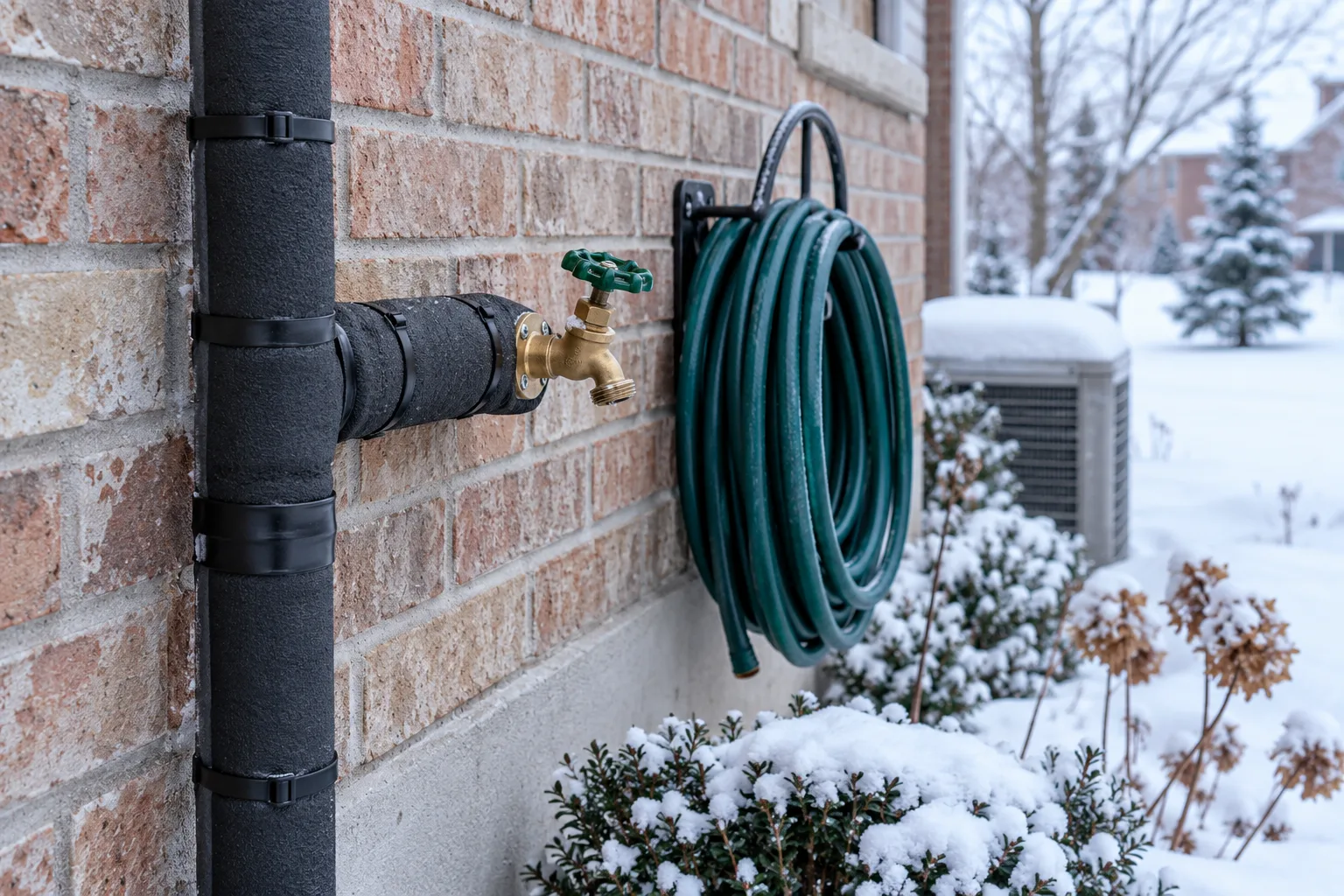
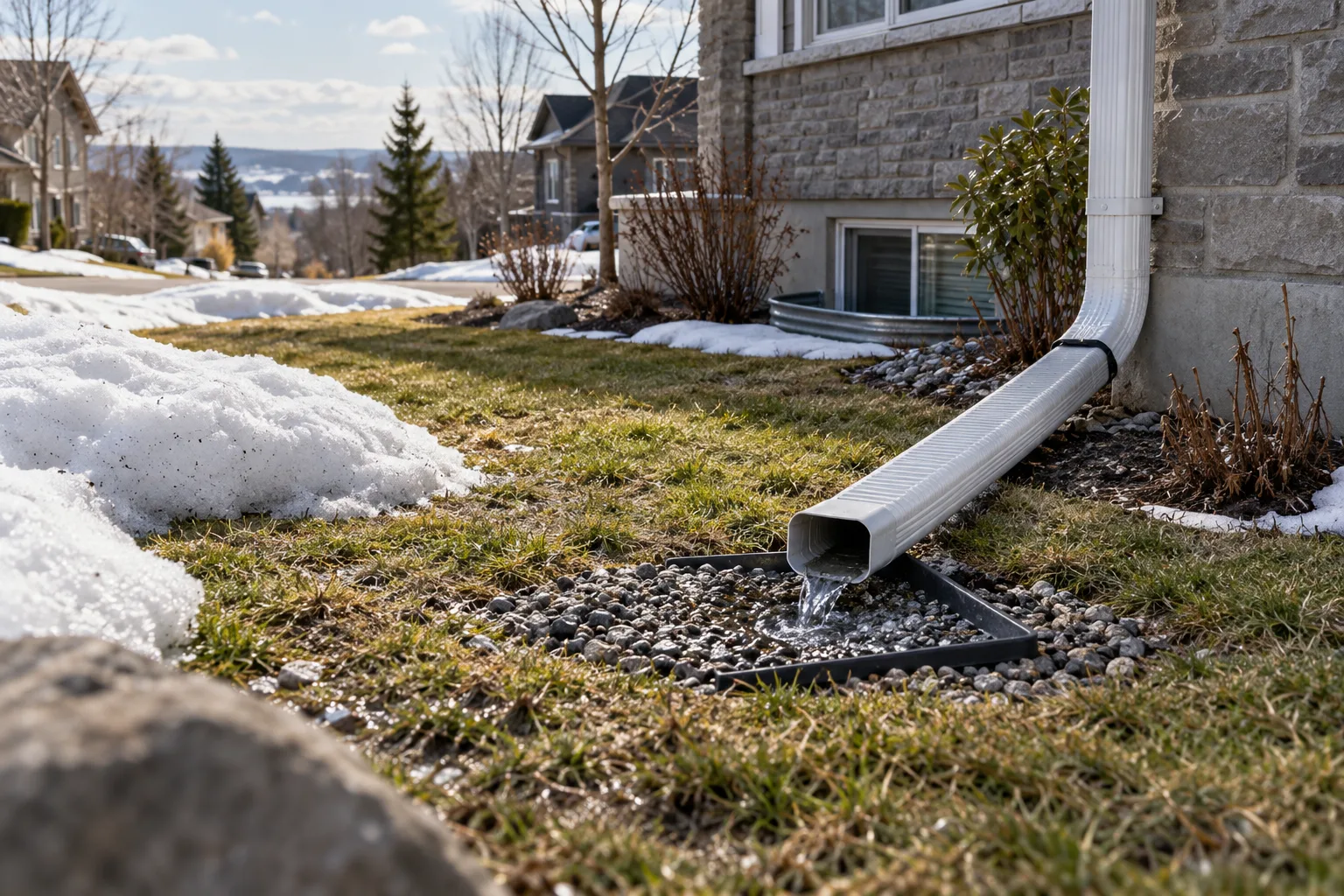
Get ready for winter 2026–2027
Practical checks for cold weather, heavy rain and the spring thaw. Start with the guide that fits your home.
Find a Drainage Professional
Connect with qualified contractors in your area through PlumbingDrainage.ca.
View All Services