Professional Drainage Services in Canada
Complete Drainage Solutions for Canadian Properties
Water management is the single most important factor in protecting your property's foundation, structure, and value. In Canada, where annual rainfall can exceed 1,200 mm in coastal regions and freeze-thaw cycles cause ground movement across the prairies and central provinces, professional drainage services aren't optional — they're essential.
PlumbingDrainage.ca connects property owners with qualified, licensed drainage contractors who specialize in residential and commercial drainage systems. Our network includes specialists in CCTV camera inspections, perimeter drain installation and replacement, hydro jetting, sewer line repair, vacuum truck services, and complete drainage system design and installation.
Whether you're dealing with a flooded basement, planning new construction, or maintaining an aging drainage system, the right contractor makes the difference between a temporary fix and a lasting solution. Every contractor in our network carries appropriate municipal business licences, comprehensive liability insurance, and demonstrates proven expertise in modern drainage technology.
Understanding Your Property's Drainage System
Every Canadian property relies on multiple interconnected drainage systems working together to manage water. Understanding these systems helps you recognize problems early and communicate effectively with contractors.
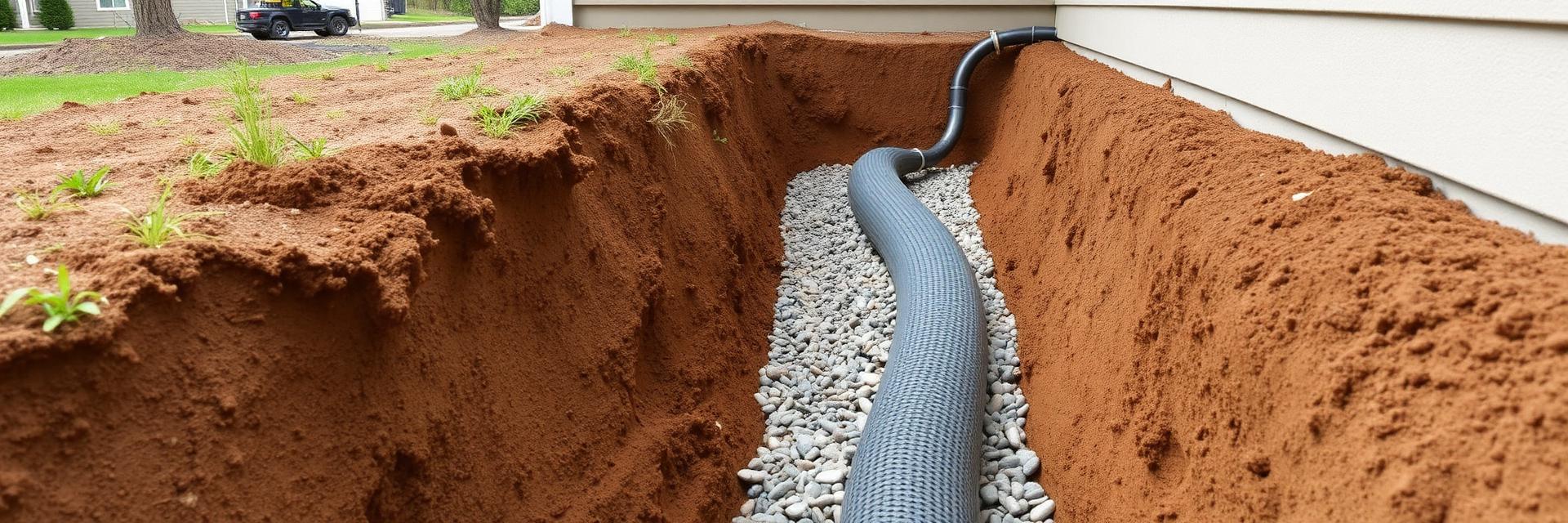
Perimeter Drains (Weeping Tile) Installed around the exterior foundation footings, perimeter drains collect groundwater before it can penetrate your basement or crawlspace. The system consists of perforated pipe laid in a gravel bed, wrapped in geotextile filter fabric, and connected to a discharge point — typically the municipal storm sewer or a sump pump system.
In British Columbia's Lower Mainland, perimeter drains installed before 1990 are approaching or past their expected lifespan. The original clay tile or early corrugated plastic pipe deteriorates, collapses, or becomes blocked by root intrusion and sediment. Warning signs include musty basement odours, visible water stains on foundation walls, efflorescence (white mineral deposits), and actual water infiltration during heavy rain.
Sanitary Sewer Lines Your sanitary sewer connects toilets, sinks, showers, and appliances to the municipal wastewater treatment system. These lines run from your home to the property line, where they connect to the municipal main. Common problems include root intrusion at joints, grease buildup, pipe deterioration (especially in cast iron and clay pipes), and ground movement causing offset joints or bellied sections.
Storm Drainage Storm drains manage rainwater from roofs, driveways, patios, and landscaping. Proper storm drainage prevents surface water from pooling near your foundation, eroding landscaping, and overwhelming your perimeter drain system. Components include catch basins, downspout connections, yard drains, and underground piping.
French Drains and Surface Drainage Shallow drainage systems manage surface water in yards, gardens, and around retaining walls. French drains — gravel-filled trenches with perforated pipe — redirect water away from problem areas. Surface grading, swales, and channel drains address water flow patterns across your property.
Combined vs. Separated Systems Many older Canadian cities originally used combined sewer systems that carried both sanitary waste and stormwater in a single pipe. Most municipalities are now separating these systems to reduce combined sewer overflows during heavy rain. If your property still has a combined system, separation may be required when you renovate or replace drainage infrastructure.
Common Drainage Problems in Canadian Homes
Canada's diverse climate creates drainage challenges that vary by region but share common themes. Here are the most frequent problems our network contractors encounter.
Basement Water Infiltration The most urgent drainage problem for homeowners. Water entering the basement causes immediate damage to finishes, stored items, and mechanical systems, while long-term moisture promotes mould growth and structural deterioration. Causes range from failed perimeter drains and foundation cracks to poor surface grading and gutter issues.
In the Lower Mainland, basement flooding claims are among the most common insurance claims. Many policies exclude groundwater infiltration, making prevention through proper drainage infrastructure critically important. A professional CCTV inspection of your perimeter drains and sewer lines identifies problems before they become emergencies.
Root Intrusion Tree roots are the number one cause of sewer line blockages in established Canadian neighbourhoods. Roots seek moisture and nutrients, infiltrating pipe joints and cracks. Popular species like willow, poplar, and silver maple are particularly aggressive, but even smaller trees and shrubs can cause significant damage over time.
Root intrusion typically begins as a minor infiltration that goes unnoticed until flow restriction causes backup symptoms — slow-draining fixtures, gurgling sounds, and eventually sewage backup. Regular CCTV inspection and preventive hydro jetting can manage root intrusion before it causes failure.
Pipe Deterioration and Collapse Homes built before 1970 commonly have clay, concrete, or Orangeburg (bituminous fibre) sewer pipes that deteriorate with age. Cast iron pipes from the 1950s-1980s corrode internally, gradually reducing flow capacity. Eventually, these aging pipes crack, separate at joints, or collapse entirely.
A CCTV inspection reveals the current condition of your pipes and helps plan proactive replacement before emergency failure occurs. Modern PVC and HDPE pipes have expected lifespans exceeding 50 years and resist root intrusion, corrosion, and ground movement far better than legacy materials.
Ground Movement and Frost Canada's freeze-thaw cycles cause soil expansion and contraction that shifts underground pipes. Clay soils are particularly problematic — they swell significantly when wet and shrink when dry, creating movement that separates pipe joints and causes bellied (sagging) sections that trap water and debris.
In regions with deep frost penetration, pipes installed above the frost line are vulnerable to freezing. Proper installation depth, insulation, and heat trace cables prevent freeze-related failures in northern regions.
Surface Drainage Failures Poor surface grading — where soil slopes toward the house instead of away — concentrates water at the foundation. Settled soil, poorly designed landscaping, and missing or disconnected downspout extensions are common contributors. Addressing surface drainage is often the most cost-effective first step in a comprehensive drainage strategy.
Strata and Multi-Unit Challenges Strata buildings face unique drainage challenges. Shared drainage infrastructure means one unit's problem can affect many others. Aging systems in multi-unit buildings require coordinated inspection and maintenance programs. Strata councils should budget for regular CCTV inspections of common drainage lines and perimeter drain systems.
Our Service Categories
PlumbingDrainage.ca connects you with specialists across the full spectrum of drainage services.
CCTV Camera Inspections High-definition camera inspections for drain tiles, storm drains, and sanitary sewers. Full video report with condition assessment and recommendations. Essential for real estate transactions, strata maintenance programs, and diagnosing persistent drainage problems. Our network contractors use modern HD cameras with distance counters, self-levelling heads, and GPS locating capability.
Drain Tile Systems Complete perimeter drain (weeping tile) services including inspection, repair, and full replacement. Our contractors handle excavation, foundation waterproofing, pipe installation, municipal connections, and surface restoration. Whether you need a minor repair or complete system replacement, we connect you with specialists who understand local soil conditions and building codes.
Drainage and Sewer Maintenance Preventive maintenance programs for residential, commercial, and strata properties. Regular hydro jetting, root treatment, catch basin cleaning, and system inspections keep your drainage infrastructure functioning efficiently and extend system lifespan.
Drain Tile and Sewer Inspection Specialized inspection services beyond standard CCTV. Includes smoke testing for cross-connections, flow monitoring, dye testing for infiltration sources, and comprehensive condition assessments for insurance documentation and real estate due diligence.
Pressure Jetting and Cleaning High-pressure hydro jetting removes grease, scale, roots, sediment, and debris from drainage pipes. More effective and longer-lasting than traditional snaking, hydro jetting restores pipes to near-original flow capacity. Available for residential mainlines, commercial kitchen drains, strata buildings, and storm drainage systems.
Drainage Lines Repair and Service Both traditional excavation and modern trenchless repair methods including CIPP lining, pipe bursting, and spot repairs. Our contractors recommend the most appropriate method based on CCTV inspection findings, considering damage type, pipe material, access constraints, and budget.
Vacuum Truck Service Heavy-duty vacuum truck services for catch basin cleaning, emergency flood response, hydro excavation, septic pumping, and construction dewatering. Available for residential, commercial, municipal, and industrial applications.
Drainage and Sewer Installation New construction drainage design and installation for residential and commercial projects. Complete site servicing including sanitary sewer connections, storm drainage systems, perimeter drains, and municipal permit coordination.
Why Professional Drainage Matters
DIY drainage solutions and unqualified contractors create more problems than they solve. Professional drainage work requires specialized knowledge, equipment, and experience that directly impacts the effectiveness and longevity of your drainage system.
Building Code Compliance Canadian building codes and municipal bylaws govern every aspect of drainage installation — pipe materials, sizing, slope, cleanout placement, backwater valve requirements, and separation between sanitary and storm systems. Non-compliant work can result in failed inspections, costly corrections, insurance claim denials, and liability for damage to neighbouring properties.
Proper Diagnosis Before Treatment Many drainage problems are symptoms of underlying issues that aren't obvious without professional investigation. A basement leak might be caused by failed perimeter drains, a foundation crack, poor surface grading, or a combination of factors. Professional diagnosis with CCTV inspection and site assessment identifies the root cause and ensures the right solution is applied.
Equipment and Technology Modern drainage work requires specialized equipment — mini excavators, CCTV camera systems, hydro jetting rigs, trenchless repair technology, and vacuum trucks. Professional contractors invest in and maintain this equipment, ensuring efficient and effective work. Amateur attempts with rented or improvised equipment often result in incomplete or damaging work.
Warranty and Accountability Qualified contractors provide warranties on their workmanship and materials. They carry liability insurance that protects you if something goes wrong during or after the work. They pull required permits and schedule municipal inspections. This accountability is your protection against substandard work.
Long-Term Value Properly installed drainage systems last 50+ years. Improperly installed systems fail prematurely, causing property damage and requiring costly replacement. The difference in upfront cost between professional and amateur installation is a fraction of the cost of premature failure.
Choosing the Right Drainage Contractor
Not all drainage contractors are created equal. Here's what to look for when selecting a contractor through PlumbingDrainage.ca or independently.
Licensing and Insurance Verify that your contractor holds current municipal business licences for the jurisdiction where work will be performed. Confirm comprehensive general liability insurance (minimum $2 million) and WorkSafeBC or equivalent provincial workers' compensation coverage. Request certificates of insurance — legitimate contractors provide these readily.
Experience and Specialization Drainage work encompasses many specialties. Some contractors excel at perimeter drain replacement but don't offer trenchless repair. Others specialize in commercial maintenance but rarely do residential excavation. Match the contractor's expertise to your specific needs.
Equipment Ownership Contractors who own their equipment (CCTV cameras, jetting rigs, excavators) provide more responsive service and typically demonstrate deeper expertise than those who rent equipment or subcontract specialized work. Ask about their equipment during the consultation.
References and Reviews Request references from recent projects similar to yours. Check online reviews, but give more weight to detailed reviews that describe the work performed and outcome achieved. Ask about communication, timeline adherence, and post-completion follow-up.
Written Estimates Professional contractors provide detailed written estimates specifying the scope of work, materials to be used, timeline, payment terms, and warranty coverage. Be wary of verbal-only quotes or estimates that lack detail.
Permit Knowledge Your contractor should know which permits are required for your project and handle the application process. If a contractor suggests skipping permits to save time or money, that's a major red flag.
Red Flags to Avoid - Door-to-door solicitation claiming urgent problems - Pressure to sign immediately or accept a "today only" price - Cash-only payment demands - No physical business address - Unwillingness to provide proof of insurance - No written contract or warranty
The PlumbingDrainage.ca Advantage
Our network simplifies finding qualified drainage contractors across Canada. Here's how we add value to your contractor search.
Verified Professionals Every contractor in our network has been verified for licensing, insurance, and professional qualifications. We confirm business licences, insurance certificates, and professional credentials before listing any contractor.
Local Expertise Drainage challenges vary significantly by region. A contractor in Vancouver deals with heavy rainfall and clay soils. A contractor in Calgary manages frost depth and expansive clay. A contractor in Toronto handles combined sewer separation requirements. Our network connects you with contractors who understand your local conditions.
Comprehensive Service Coverage From basic drain cleaning to complete system installation, our network covers the full range of drainage services. Whether you need a single inspection or a major infrastructure project, we connect you with the right specialist.
No Cost to Property Owners Searching our network and connecting with contractors is completely free for property owners. There are no referral fees, finder's fees, or hidden charges passed on to you.
Emergency Response Drainage emergencies don't wait for business hours. Many contractors in our network offer 24/7 emergency response for flooding, sewage backups, and other urgent situations.
Drainage Maintenance Best Practices
Preventive maintenance extends the life of your drainage system and prevents costly emergencies. Here's a comprehensive maintenance guide for Canadian property owners.
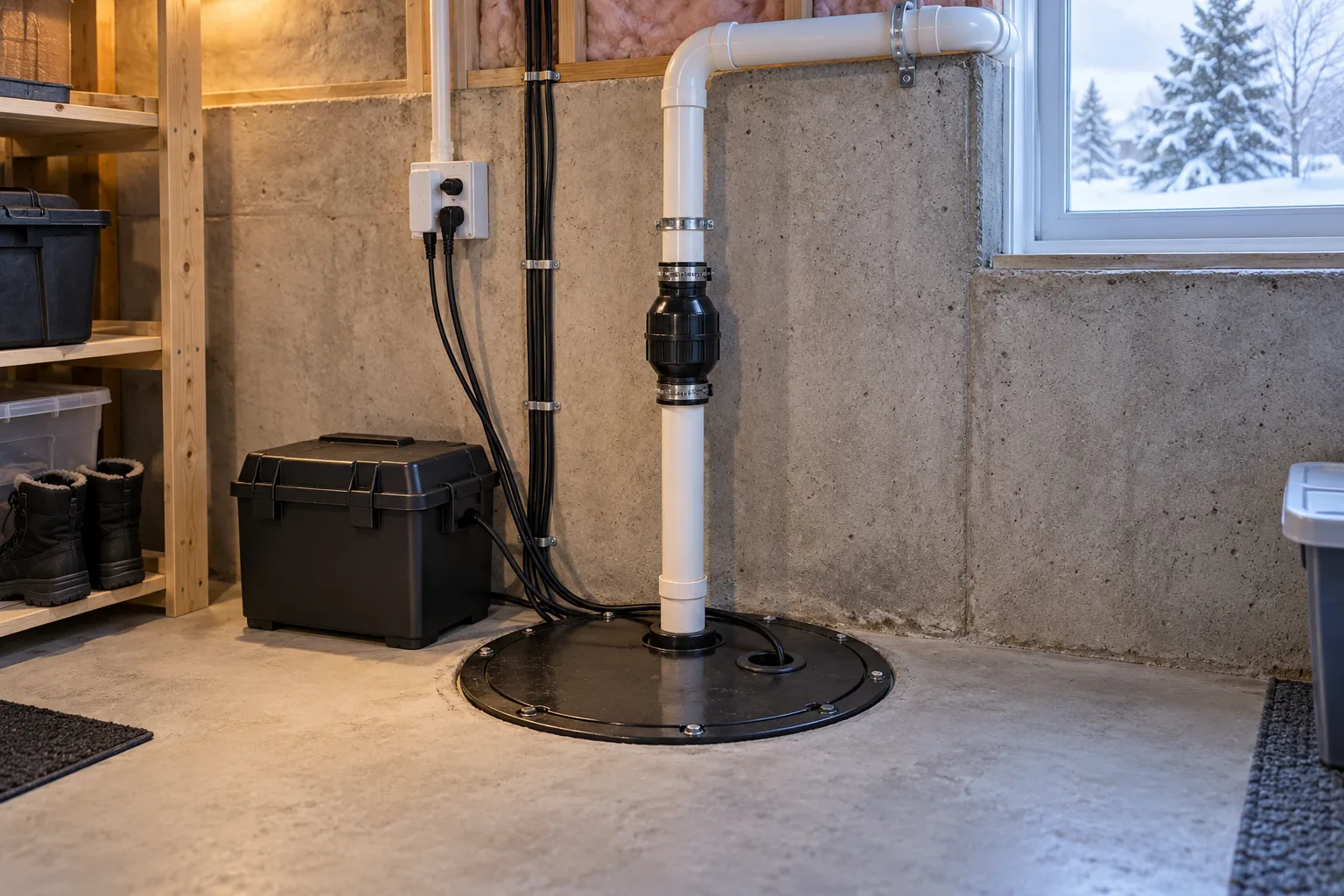
Annual Tasks - Clean gutters and downspouts in spring and fall - Verify downspouts discharge at least 6 feet from the foundation - Inspect catch basins and clear debris - Check sump pump operation (pour water into the pit to test) - Verify battery backup on sump pump systems - Inspect visible pipe connections for leaks or damage
Every 2-3 Years - Schedule hydro jetting of main sewer line - Apply root treatment if trees are near drainage lines - Flush perimeter drain cleanouts with garden hose - Check surface grading around the foundation
Every 5 Years - Schedule comprehensive CCTV inspection of all underground pipes - Review and update drainage maintenance plan - Assess tree root proximity to drainage infrastructure - Evaluate sump pump age and consider replacement (pumps last 7-10 years)
Seasonal Considerations Spring: Heavy snowmelt and rain increase groundwater levels. Ensure sump pumps are operational and catch basins are clear.
Summer: Tree roots are most active. Schedule root treatment if previous inspections showed infiltration.
Fall: Clear gutters of leaves before winter rains begin. Test sump pump battery backup before storm season.
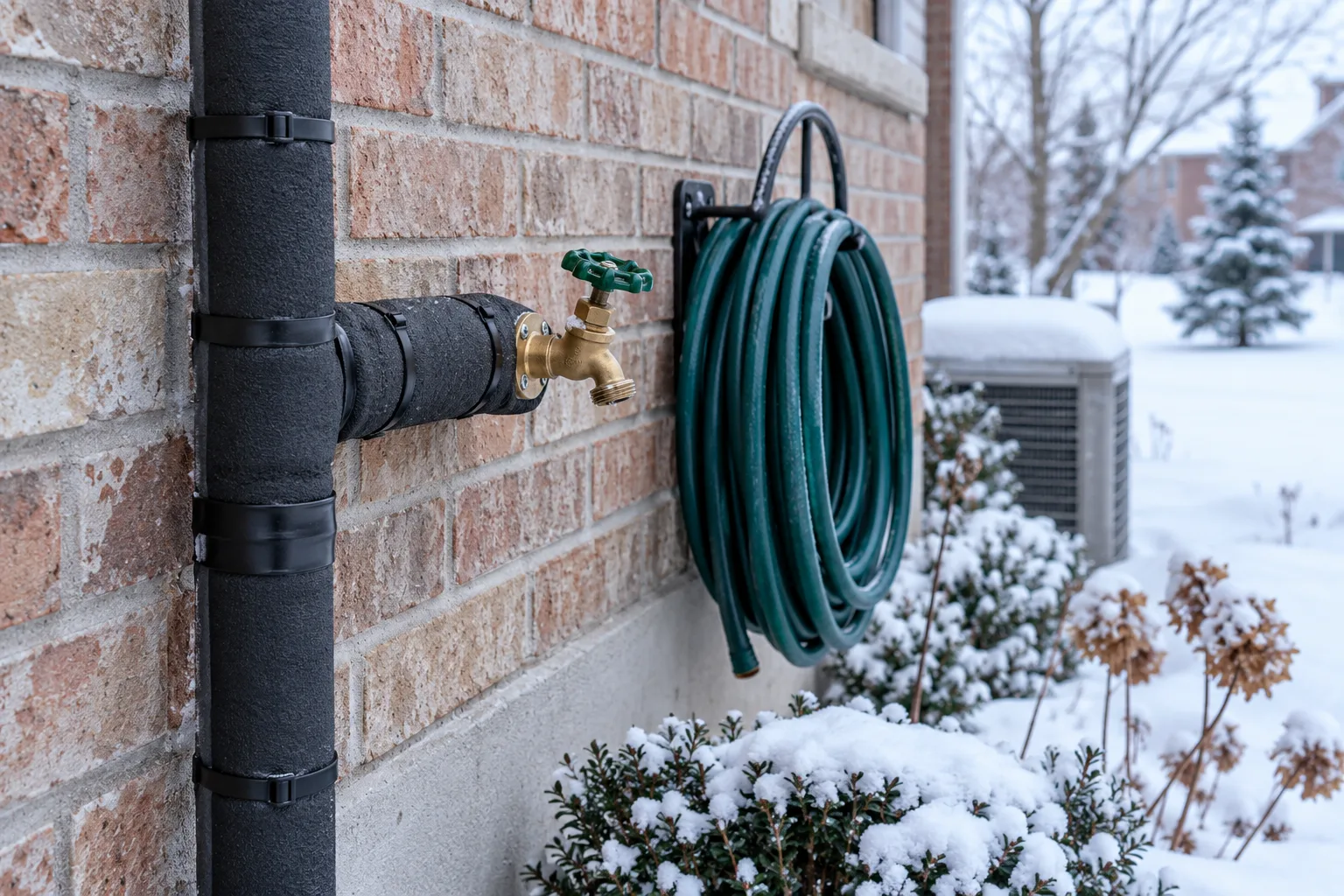
Winter: Insulate exposed pipes in unheated spaces. Keep catch basin grates clear of ice and snow.
Strata and Commercial Properties Develop a written maintenance plan with scheduled inspections, cleaning, and budget allocation. Document all work performed for warranty and insurance purposes. Include drainage in annual capital planning and reserve fund studies.
Frequently Asked Questions
How do I know if my perimeter drains have failed?
Warning signs include musty basement odours, water stains on foundation walls, white mineral deposits (efflorescence) on concrete, and actual water infiltration during heavy rain. A CCTV camera inspection can definitively assess your perimeter drain condition.
How often should I have my drains inspected?
For homes over 25 years old, a comprehensive CCTV inspection every 3-5 years is recommended. Newer homes can extend to every 5-7 years. Properties with known root intrusion or previous drain issues should be inspected more frequently.
What's the difference between a perimeter drain and a French drain?
Perimeter drains are installed at foundation depth (6-8 feet) to manage groundwater around your foundation. French drains are shallower (12-24 inches) and manage surface water in yards and landscapes. Both use perforated pipe in gravel, but they serve different purposes.
Do I need a permit for drainage work?
Most Canadian municipalities require building permits for perimeter drain replacement, new sewer connections, and significant drainage modifications. Your contractor should handle permit applications and schedule required inspections.
How much does perimeter drain replacement cost?
In the Lower Mainland, complete perimeter drain replacement typically ranges from $8,000 to $15,000 for a standard single-family home. Costs vary based on home size, foundation depth, access challenges, and municipal connection requirements.
Can drainage problems be fixed without digging up my yard?
Trenchless technologies including CIPP pipe lining and pipe bursting can repair or replace damaged pipes without extensive excavation. However, completely collapsed pipes or bellied sections typically require traditional excavation.
Is basement waterproofing covered by insurance?
Most standard homeowner policies in Canada exclude gradual water damage and groundwater infiltration. However, sudden and accidental water damage (burst pipe, sewer backup with rider) may be covered. Adding sewer backup coverage to your policy is strongly recommended.
How long does perimeter drain replacement take?
A standard residential perimeter drain replacement takes 3-5 working days, depending on home size, soil conditions, and access challenges. Weather delays can extend the timeline during rainy periods.
Seasonal homeowner guides
Get ready for winter 2026–2027
Practical checks for cold weather, heavy rain and the spring thaw. Start with the guide that fits your home.
Find a Drainage Professional
Connect with qualified contractors in your area through PlumbingDrainage.ca.
View All Services