Pressure Jetting & Drain Cleaning Services in Canada
Professional Pressure Jetting & Drain Cleaning
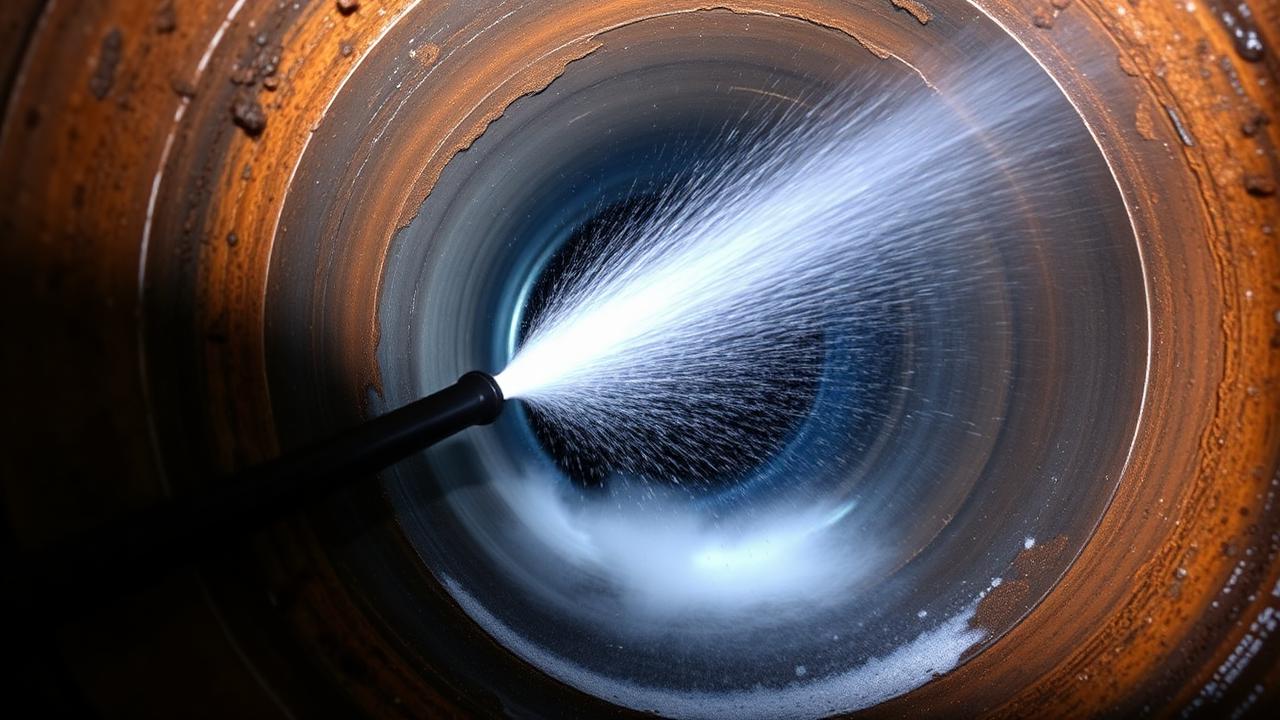
When drainage systems slow down, back up, or fail completely, professional cleaning restores flow and prevents costly emergency failures. Pressure jetting — also called hydro jetting — is the most effective method for clearing blockages, removing root intrusion, descaling pipe walls, and restoring full capacity to drainage systems of all sizes.
Unlike mechanical cleaning methods that punch a hole through blockages, hydro jetting uses high-pressure water to scour the entire interior surface of the pipe. The result is a thoroughly cleaned pipe restored to near-original capacity, not just a temporary channel through accumulated debris. This difference makes hydro jetting the preferred cleaning method for long-lasting results.
PlumbingDrainage.ca connects property owners with qualified hydro jetting professionals across Canada. Our network contractors use commercial-grade jetting equipment with variable pressure settings, specialized nozzle configurations, and the expertise to match cleaning approach to pipe material, condition, and blockage type.
How Hydro Jetting Works
A hydro jetting system consists of a high-pressure water pump, a reinforced hose, and a specialized nozzle that directs water jets backward to propel the hose forward while simultaneously cleaning the pipe walls. Operating pressures range from 1,500 PSI for delicate residential lines to 10,000+ PSI for heavy commercial and municipal applications.
The nozzle design is critical to effective cleaning. Forward-facing jets break up obstructions, while rear-facing jets clean pipe walls and propel the hose. Different nozzle configurations address different problems — root-cutting nozzles with rotating chains or carbide tips for heavy root intrusion, flushing nozzles for sediment and soft deposits, descaling nozzles for mineral buildup, and grease-cutting nozzles for kitchen drain accumulation.
Water volume matters as much as pressure. Higher volume creates more flushing power to carry loosened debris out of the pipe. Professional jetting units deliver 12-25 gallons per minute, generating the volume needed to effectively flush debris from long pipe runs. Consumer or light-duty units with lower flow rates may break up blockages but leave debris in the pipe to re-accumulate.
Advantages Over Mechanical Cleaning
Traditional mechanical cleaning uses rotating cables (snakes) with cutting heads to break through blockages. While effective for emergency clearing, mechanical cleaning has significant limitations. Cables cut a channel through the blockage rather than removing it entirely. Root masses are cut but not extracted. Grease deposits are pushed aside temporarily. Scale and mineral buildup is largely unaffected. The pipe interior remains rough and deposits-prone, leading to faster re-blockage.
Hydro jetting addresses all these limitations. High-pressure water removes roots, grease, scale, and debris from the entire pipe circumference. The pipe interior is left smooth and clean, maximizing flow capacity and extending the time before re-cleaning is needed. For chronic blockage problems, hydro jetting typically provides three to five times longer relief than mechanical cleaning.
Applications for Pressure Jetting
Hydro jetting is versatile enough to address virtually every drainage cleaning scenario, from routine maintenance to emergency blockage clearing.
Root Removal
Root intrusion is the most common cause of residential sewer blockages in established Canadian neighbourhoods. Tree roots enter pipes through joints and cracks, initially as fine filaments that grow into dense masses restricting flow. Hydro jetting with root-cutting nozzles removes root masses completely, leaving the pipe clear to full capacity.
For chronic root problems, scheduled hydro jetting every 12-18 months prevents root masses from growing large enough to cause backup. This is significantly more cost-effective than repeated emergency calls and far less expensive than the pipe replacement that becomes necessary when root damage is left untreated.
Grease and Kitchen Waste
Commercial kitchens generate enormous amounts of grease, oil, and food waste that accumulate in drain lines despite grease interceptors and best practices. Residential kitchens contribute to slower but steady grease buildup, especially in homes without garbage disposals or with older plumbing. Hydro jetting with grease-cutting nozzles emulsifies and removes grease deposits that mechanical cleaning merely relocates.
Scale and Mineral Buildup
Canadian water varies significantly in mineral content by region. Hard water areas in the prairies, southern Ontario, and parts of British Columbia experience calcium and mineral scale buildup in drain lines. Over decades, scale reduces pipe diameter and creates rough surfaces that trap debris. Hydro jetting with descaling nozzles removes scale buildup and restores pipe capacity.
Sediment and Debris
Perimeter drains, storm lines, and catch basin connections accumulate sediment over time. Fine sand, silt, and organic material settle in low-velocity sections, gradually reducing capacity. Hydro jetting flushes sediment from the system, restoring designed flow capacity. This is particularly important for perimeter drains, where sediment accumulation is a primary failure mechanism.
Pre-Repair Cleaning
Before pipe lining, spot repairs, or connection work, pipes must be thoroughly cleaned to ensure repair material adhesion and proper joint fitting. Hydro jetting provides the clean surface required for trenchless repair methods, where the lining material must bond directly to the pipe wall. Inadequate cleaning before repair leads to premature repair failure.
Emergency Blockage Clearing
When a drain backs up, the immediate priority is restoring flow. Hydro jetting clears complete blockages quickly and effectively, with the added benefit of cleaning the entire pipe rather than just punching through the obstruction. This reduces the likelihood of re-blockage in the days following the emergency call.
Equipment and Techniques
Professional hydro jetting requires commercial-grade equipment designed for the specific demands of drain cleaning. Understanding the equipment helps you evaluate contractor capabilities and ensure your pipes receive appropriate treatment.
Jetting Units
Professional jetter units are classified by pressure and flow rate. Residential-grade units operate at 1,500-4,000 PSI with flow rates of 4-18 GPM. These handle most residential sewer and drain cleaning effectively. Commercial units operate at 4,000-10,000 PSI with flow rates of 18-40 GPM, appropriate for larger-diameter pipes, heavy root masses, and industrial applications.
Units are typically truck or trailer mounted, with water tanks of 300-1,000 gallons. The truck carries the pump, engine, hose reel, and water supply to the job site. Hose lengths of 300-600 feet allow access to the full length of most residential and commercial drainage systems.
Nozzle Selection
The nozzle is the business end of the jetting system, and nozzle selection dramatically affects cleaning results. Professional contractors maintain an inventory of nozzle types for different applications.
- Flushing nozzles with rear-facing jets for general cleaning and debris flushing
- Penetrating nozzles with forward-facing jets for breaking through tough blockages
- Root-cutting nozzles with rotating chains or carbide tips for root mass removal
- Grease nozzles with wide spray patterns for emulsifying fat deposits
- Descaling nozzles with concentrated jets for mineral buildup
- Corner nozzles designed to navigate 90-degree bends common in perimeter drains
- Finned nozzles that centre the hose in the pipe for consistent cleaning
Pressure and Flow Rate Selection
Matching pressure and flow to the pipe material and condition is critical. Excessive pressure can damage fragile pipes — clay pipes with deteriorated joints, corrugated plastic pipes with weakened walls, and Orangeburg pipes can all be damaged by inappropriate pressure. A qualified operator assesses pipe material and condition (ideally through CCTV inspection) before selecting jetting parameters.
General pressure guidelines include 1,500-2,000 PSI for fragile or deteriorated pipes, 2,500-3,500 PSI for standard residential PVC and ABS, 3,500-4,500 PSI for cast iron and concrete pipe, and 4,000+ PSI for commercial and industrial applications. These are starting points — experienced operators adjust based on real-time feedback during the cleaning process.
Safety Considerations
Hydro jetting involves significant hazards that require proper training and equipment. High-pressure water can cause serious injury. Operators must wear appropriate personal protective equipment including eye protection, hearing protection, and waterproof clothing. Bystanders must be kept clear of access points during operation. The contractor should have established safety protocols and training documentation.
When jetting sewer lines, there's risk of sewage exposure. Proper decontamination procedures, appropriate PPE, and awareness of confined space hazards (when working with manholes or deep cleanouts) are essential. Licensed contractors carry the training and equipment to manage these risks properly.
Residential Pressure Jetting Services
For homeowners, hydro jetting addresses the full range of drain cleaning needs, from routine maintenance to emergency blockage clearing.
Main Sewer Line Cleaning
The main sewer line is the most critical application for residential hydro jetting. This 4-6 inch pipe carries all wastewater from the house to the municipal connection. When it blocks, everything backs up. Regular hydro jetting every 2-3 years (annually for properties with root problems) keeps the main sewer flowing freely and extends pipe life.
A typical residential sewer jetting service takes 1-2 hours and includes accessing the main cleanout, advancing the jetting hose to the municipal connection, performing multiple cleaning passes with appropriate nozzles, and flushing loosened debris from the system. Many contractors combine jetting with pre- and post-cleaning CCTV inspection for a complete service.
Cost for residential sewer hydro jetting typically ranges from $350-$800, depending on pipe length, access conditions, and blockage severity. This compares to $150-$400 for mechanical snaking, but with significantly better cleaning results and longer time between services.
Perimeter Drain Flushing
Perimeter drains benefit from periodic high-volume flushing to remove accumulated sediment. However, pressure settings must be carefully managed — perimeter drain pipe, especially older corrugated PE, can be damaged by excessive pressure. Experienced operators use lower pressure (1,500-2,500 PSI) with higher volume for perimeter drain cleaning, emphasizing flushing action over cutting force.
Kitchen and Fixture Drains
Interior drain lines (kitchen, bathroom, laundry) are typically 1.5-3 inch diameter, requiring smaller jetting equipment. Mini-jetters operating at 1,500-2,500 PSI with compact nozzles are designed for interior drain cleaning. Kitchen drains with grease accumulation respond particularly well to jetting, which removes deposits that snaking merely channels through.
Floor Drains and Catch Basins
Basement floor drains and exterior catch basins connect to the drainage system through small-diameter pipes that are prone to sediment blockage. Jetting these connections maintains flow and prevents backup during heavy rain or snowmelt. This service is often included in comprehensive drainage maintenance programs.
Commercial and Industrial Pressure Jetting
Commercial and industrial properties require jetting services at larger scale, higher frequency, and with additional regulatory considerations.
Restaurant and Food Service
Food service establishments generate more grease waste than any other commercial category. Despite grease interceptor requirements, drain lines downstream of interceptors still accumulate grease over time. Regular hydro jetting — typically monthly or quarterly for high-volume kitchens — prevents grease blockages that can shut down operations and violate health codes.
Municipal regulations in most Canadian cities require food service establishments to maintain grease management programs. Documentation of regular jetting service demonstrates compliance and can prevent surcharges or penalties from the municipality.
Multi-Unit Residential Buildings
Apartment buildings, condominiums, and townhouse complexes have shared drainage infrastructure serving multiple units. A blockage in a common sanitary main can cause backup in several units simultaneously. Scheduled jetting of common lines — typically semi-annually — prevents multi-unit incidents that generate insurance claims, tenant complaints, and management headaches.
Strata corporations should include common drainage jetting in their annual maintenance budgets. The cost of semi-annual service is a fraction of the cost of emergency response, cleanup, and unit owner claims from a multi-unit backup event.
Parking Structures and Lots
Commercial parking areas accumulate oil, sediment, and debris in storm drainage catch basins and piping. Municipal stormwater regulations increasingly require maintenance documentation for commercial properties. Regular jetting of parking area drainage prevents blockages, maintains compliance, and protects downstream waterways from pollutant discharge.
Industrial Facilities
Manufacturing, processing, and warehouse facilities often have specialized drainage requirements — chemical-resistant piping, large-diameter storm drains, process wastewater systems, and containment drainage. Industrial jetting requires equipment capable of handling larger pipes (8-24 inch diameter) and operators with hazmat awareness training appropriate to the facility's waste stream.
Cost Considerations for Commercial Jetting
Commercial jetting is typically quoted on a per-service or annual contract basis. Factors affecting cost include total pipe length and diameter, number of access points, blockage severity and type, frequency of service, and regulatory documentation requirements. Annual contracts typically provide 15-25% cost savings compared to individual service calls and include priority emergency response provisions.
Choosing a Hydro Jetting Contractor
The effectiveness and safety of hydro jetting depends on operator expertise and equipment quality. Selecting the right contractor ensures optimal results without risking pipe damage.
Essential Qualifications
Verify municipal business licence, comprehensive liability insurance (minimum $2 million), and Workers' Compensation Board registration. Ask about operator training and experience — hydro jetting requires understanding of pipe materials, pressure management, nozzle selection, and safety protocols that come only with proper training and significant field experience.
Equipment Verification
Ask about the jetting unit's specifications — pressure rating, flow rate, water capacity, and hose length. Verify that the contractor has appropriate nozzles for your application. For residential work, ask if they carry mini-jetter equipment for interior drain lines. For commercial work, confirm the unit's capacity matches your pipe sizes and cleaning requirements.
CCTV Integration
The best jetting contractors integrate CCTV inspection with their cleaning services. Pre-cleaning inspection identifies the specific problem and pipe condition, guiding appropriate pressure and nozzle selection. Post-cleaning inspection verifies effective cleaning and documents the pipe condition for future reference. Contractors who offer combined CCTV and jetting services provide significantly better value than those offering cleaning alone.
Written Estimates and Documentation
Professional contractors provide written estimates specifying the scope of work, equipment to be used, expected duration, and pricing. After service, they provide documentation including work performed, nozzles and pressures used, operator observations, and recommendations for future maintenance. This documentation supports insurance claims, regulatory compliance, and long-term maintenance planning.
PlumbingDrainage.ca Network
Our network contractors meet minimum standards for equipment, training, insurance, and service quality. The PlumbingDrainage.ca directory identifies contractors' jetting capabilities, pipe size range, and service areas, helping you find a qualified jetting professional in your area quickly and confidently.
Frequently Asked Questions
Is hydro jetting safe for old pipes?
Hydro jetting is safe for pipes in reasonable structural condition when performed by experienced operators who adjust pressure to pipe material and condition. However, severely deteriorated pipes — collapsed sections, heavily corroded cast iron, or delaminating Orangeburg — may not withstand jetting pressure. A CCTV inspection before jetting identifies pipe condition and guides safe pressure selection.
How much does hydro jetting cost?
Residential sewer hydro jetting typically costs $350-$800 depending on pipe length and blockage severity. Commercial jetting is quoted based on pipe size, length, and application. While more expensive than mechanical snaking ($150-$400), hydro jetting provides far superior cleaning and longer-lasting results, making it more cost-effective over time.
How often should drains be hydro jetted?
For most residential properties, hydro jetting every 2-3 years maintains clear sewer lines. Properties with chronic root intrusion benefit from annual jetting. Commercial kitchens may need monthly or quarterly service. Perimeter drains should be flushed every 3-5 years as part of drainage maintenance.
Can hydro jetting remove tree roots?
Yes — hydro jetting with root-cutting nozzles effectively removes root masses from sewer lines. However, jetting removes the roots inside the pipe without addressing the entry point. Roots will regrow through the same openings unless the pipe is repaired, lined, or replaced. Regular jetting manages the symptom while you plan for definitive repair.
What's the difference between snaking and hydro jetting?
Snaking uses a rotating cable to punch through blockages, clearing a channel for flow but leaving deposits on pipe walls. Hydro jetting uses high-pressure water to clean the entire pipe interior, removing roots, grease, scale, and debris. Jetting provides more thorough cleaning, longer-lasting results, and better pipe condition assessment.
Do I need CCTV inspection before hydro jetting?
CCTV inspection before jetting is strongly recommended. It identifies pipe material and condition, locates the blockage, and ensures jetting pressure won't damage fragile pipes. Post-jetting inspection verifies effective cleaning and reveals any structural issues hidden by deposits. Combined CCTV and jetting provides the most complete service.
Seasonal homeowner guides
Get ready for winter 2026–2027
Practical checks for cold weather, heavy rain and the spring thaw. Start with the guide that fits your home.
Find a Drainage Professional
Connect with qualified contractors in your area through PlumbingDrainage.ca.
View All Services