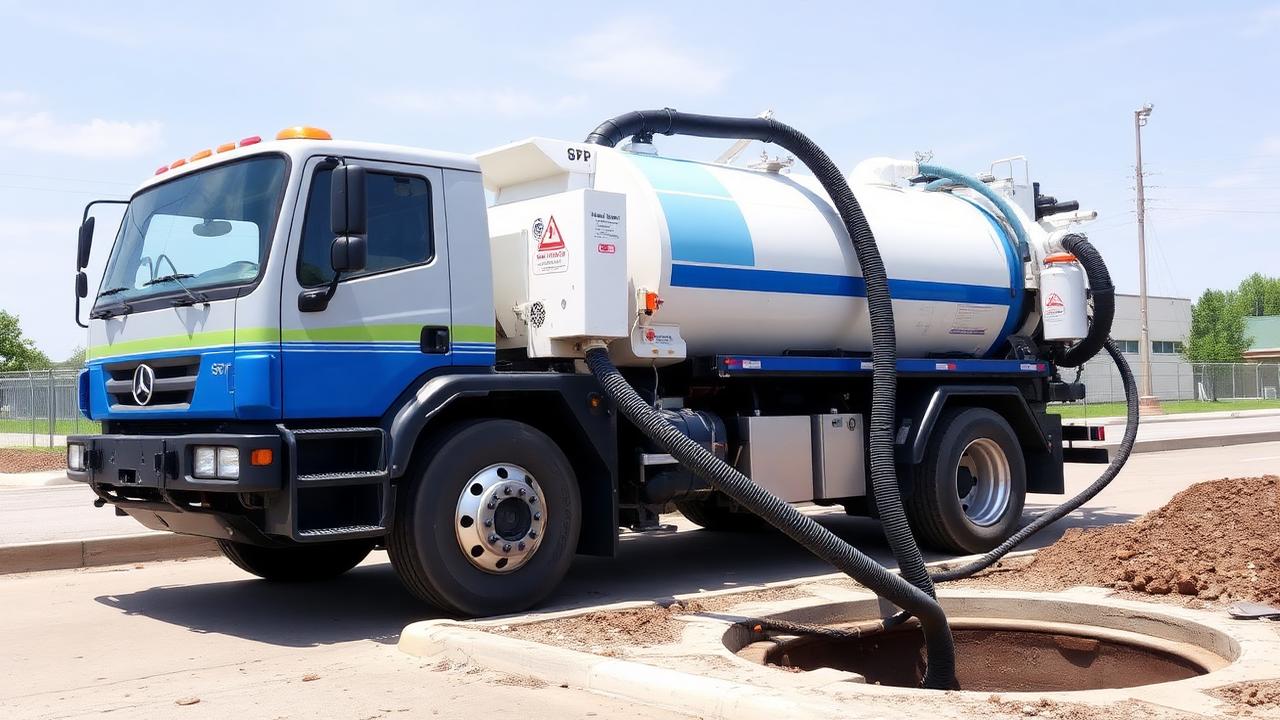
Vacuum Truck Services for Drainage in Canada
Professional Vacuum Truck Services for Drainage
Vacuum truck services are essential for drainage maintenance and construction projects that require extraction of water, sediment, debris, and waste materials from underground systems. These specialized vehicles combine powerful vacuum systems with large holding tanks to efficiently remove materials that cannot be handled by conventional cleaning methods.
From routine catch basin cleaning to emergency flood response, vacuum trucks provide the extraction capacity needed to maintain, repair, and construct drainage systems across Canada. They work in partnership with CCTV inspection and hydro jetting services to form a complete drainage management toolkit.
PlumbingDrainage.ca connects property owners and contractors with qualified vacuum truck operators across Canada. Our network includes operators equipped for residential catch basin service, commercial property maintenance, municipal infrastructure support, and industrial waste extraction.
How Vacuum Trucks Work
A vacuum truck consists of a heavy-duty truck chassis equipped with a positive displacement vacuum pump, a debris tank (typically 5-15 cubic yards), and a boom-mounted suction hose. The vacuum pump creates negative pressure in the debris tank, generating suction through the hose that lifts water, sediment, and debris from underground structures into the tank.
Modern vacuum trucks are sophisticated machines with features that enhance safety and efficiency. Variable suction control allows operators to adjust vacuum force for different materials and conditions. Filtration systems prevent fine particles from reaching the vacuum pump. Tank monitoring systems track fill levels and weight limits. And hydraulic boom systems provide precise hose positioning over manholes, catch basins, and excavations.
Combination Units (Vactor Trucks)
The most versatile drainage service vehicles are combination units that integrate vacuum extraction with high-pressure water jetting on a single truck. These "combo" or "Vactor" units can jet debris loose with high-pressure water and simultaneously vacuum it out of the pipe — a one-pass cleaning process that's faster and more effective than using separate jetting and vacuum equipment.
Combination units are the standard equipment for municipal sewer maintenance and are increasingly used for commercial and large residential drainage work. Their ability to perform multiple functions with a single mobilization reduces cost and project duration compared to coordinating separate equipment.
Residential Vacuum Truck Applications
While vacuum trucks are often associated with commercial and municipal work, they provide essential services for residential drainage management.
Catch Basin Cleaning
Residential catch basins — the grated collection points in driveways, yards, and parking areas — require periodic cleaning to remove accumulated sediment, leaves, and debris. When catch basins fill beyond their designed sediment capacity, debris overflows into connecting pipes, causing downstream blockages. Vacuum truck extraction is the most efficient method for cleaning residential catch basins, especially properties with multiple basins.
A vacuum truck can clean multiple catch basins in a single visit, extracting sediment, debris, and standing water from each basin in minutes. The operator inspects each basin structure during cleaning, identifying cracks, settlement, or structural problems that need repair. This service typically costs $100-$300 per basin and should be performed annually, with an additional cleaning in fall for properties with significant tree cover.
Septic Tank Pumping
Properties not connected to municipal sewer rely on septic systems that require periodic pumping. Vacuum trucks extract the accumulated solids from septic tanks, typically every 3-5 years depending on tank size and household usage. Proper septic maintenance prevents system failure, groundwater contamination, and costly repairs.
In rural and semi-rural areas across Canada, septic systems serve a significant portion of the housing stock. Regular vacuum truck service is the primary maintenance requirement for these systems. The pumping visit should include inspection of the tank structure, baffles, and outlet filter, with the operator noting any conditions that warrant further assessment.
Sump Pit Cleaning
Sump pits accumulate sediment, debris, and sometimes failed pump components over time. Periodic vacuum extraction of sump pit contents keeps the pit functioning properly and extends pump life. This service is often combined with sump pump maintenance and testing.
Emergency Flood Response
When basements flood from drainage failure, sewer backup, or water main breaks, vacuum trucks provide rapid water and debris extraction. A single truck can remove thousands of gallons of water quickly, limiting damage and enabling faster cleanup and remediation. Emergency vacuum service is available 24/7 from most operators.
Construction Support
Home renovation and construction projects often require drainage work — connecting new fixtures, extending sewer lines, or installing new catch basins. Vacuum trucks support this work by dewatering excavations, extracting drilling spoils, and cleaning newly installed drainage systems before final connection and testing.
Commercial and Municipal Vacuum Truck Services
Commercial properties and municipal infrastructure rely heavily on vacuum truck services for routine maintenance, regulatory compliance, and emergency response.
Parking Lot and Structure Maintenance
Commercial parking areas with storm drainage infrastructure require regular catch basin and drain cleaning to maintain function and regulatory compliance. Vacuum trucks efficiently clean large numbers of catch basins in a single service visit. For underground parking structures with floor drains and sump systems, vacuum extraction removes accumulated sediment, oil, and debris that gravity drainage cannot handle.
Many Canadian municipalities assess stormwater utility fees on commercial properties and require maintenance documentation. Regular vacuum truck service records demonstrate compliance and may qualify properties for fee reductions.
Industrial Facility Maintenance
Manufacturing, processing, and distribution facilities have specialized drainage needs. Floor drains, trench drains, process waste systems, and containment areas all require periodic vacuum extraction. Industrial vacuum trucks are equipped for hazardous and non-hazardous waste extraction, with operators trained in material handling, transportation, and disposal regulations.
Industrial facilities must comply with environmental regulations governing waste drainage and disposal. Documentation of regular vacuum maintenance, waste manifests, and disposal records demonstrates compliance during environmental audits and inspections.
Municipal Sewer Maintenance
Municipalities use vacuum trucks (typically combination units) as primary equipment for sewer system maintenance. Catch basin cleaning, manhole maintenance, sewer line cleaning, and emergency response all rely on vacuum truck capabilities. Municipal vacuum truck operations follow scheduled maintenance programs covering the entire drainage infrastructure on a rotating basis.
Private contractors providing vacuum truck services to municipalities must meet additional qualification standards — larger equipment capacity, operator certifications, environmental compliance documentation, and emergency response capability. PlumbingDrainage.ca includes contractors qualified for municipal subcontract work in our network.
Hydro Excavation (Hydrovac)
Hydro excavation — also called hydrovac or potholing — uses high-pressure water to break up soil and vacuum extraction to remove the slurry, creating precise excavations without mechanical digging. This method is the standard for safe excavation near buried utilities, as it cannot damage gas lines, water mains, electrical conduits, or communication cables the way mechanical excavation can.
Hydro excavation is increasingly required by utility locate regulations for excavation within specified distances of buried infrastructure. For drainage contractors, hydrovac services are essential for exposing buried pipes for inspection, repair, or connection without risking damage to adjacent utilities.
Applications include utility locating (exposing buried services for visual verification), pipe exposure for inspection and repair, slot trenching for utility installation, post and pier hole excavation, tree root excavation for assessment or removal, and remote excavation where trucks cannot reach the dig site (using extended hose systems).
Equipment and Capabilities
Understanding vacuum truck equipment and capabilities helps you specify the right service for your needs and evaluate contractor qualifications.
Vacuum System Types
Positive displacement (PD) vacuum pumps are the standard for drainage work. They generate high vacuum levels (up to 27 inches of mercury) and maintain suction through varying material densities — water, mud, sand, gravel, and debris. PD pumps handle the mixed materials common in drainage applications without the performance limitations of other pump types.
Fan (regenerative) vacuum systems generate higher airflow at lower vacuum levels. They're effective for dry materials and light debris but struggle with dense slurries and heavy materials common in drainage work. Fan systems are more common in industrial dust collection than drainage service.
Tank Configurations
Debris tanks range from 3 cubic yards (compact trucks for residential access) to 15+ cubic yards (full-size units for commercial and municipal work). Tank material is typically carbon steel or stainless steel, with interior coatings for corrosion resistance. Some tanks include partitions for separating liquid and solid waste or carrying water for hydro excavation.
Decanting systems allow operators to separate water from solids on-site, reducing the volume requiring transport and disposal. This is particularly useful for catch basin cleaning and hydro excavation, where the extracted material is primarily water with a small percentage of solids.
Boom and Hose Systems
Hydraulic boom arms position the suction hose over the work area with precision. Boom reach varies from 10-25 feet, and boom rotation provides 180-270 degrees of positioning. The suction hose diameter — typically 4-8 inches — determines the maximum size of debris the system can handle.
For deep catch basins, manholes, and confined spaces, extension tubes and specialized tools connect to the suction hose. Scraper attachments break up compacted sediment. Flat suction tools maximize extraction from shallow pools. And various nozzle configurations optimize suction for specific materials.
Combination (Combo) Units
Combination vacuum/jetting units carry both vacuum extraction and high-pressure water systems on a single truck. A typical combo unit includes an 8-12 cubic yard debris tank, a 1,000-1,500 gallon water tank, a jetting pump (2,000-4,000 PSI), and a vacuum pump. These units can clean and extract in a single pass — jetting debris loose and vacuuming it simultaneously.
Combo units are the most versatile drainage service vehicles and represent the best value for projects requiring both cleaning and extraction. Their single-truck mobilization costs less than coordinating separate jetting and vacuum equipment.
Environmental and Regulatory Considerations
Vacuum truck operations in Canada are subject to environmental regulations governing waste handling, transportation, and disposal. Compliance is the operator's responsibility, but property owners should verify their contractor meets all applicable requirements.
Waste Classification
Materials extracted by vacuum truck must be classified for proper handling and disposal. Clean catch basin sediment may be suitable for landfill disposal. Contaminated sediment (oil, chemicals, heavy metals) may require treatment or specialized disposal. Septic waste must be transported to approved treatment facilities. Industrial waste follows material-specific handling requirements.
The vacuum truck operator must understand waste classification requirements for the materials they handle. For routine residential and commercial catch basin cleaning, the waste is typically non-hazardous sediment and organic debris suitable for standard landfill disposal. For industrial applications, waste characterization testing may be required before extraction begins.
Transportation Regulations
Vacuum trucks transporting waste on public roads must comply with transportation regulations. Vehicle weight limits, waste containment requirements, manifest documentation, and approved transportation routes may apply depending on waste classification and jurisdiction. Operators must carry appropriate transportation permits and maintain vehicle compliance with safety standards.
Disposal Facilities
Extracted materials must be delivered to approved disposal or treatment facilities. Operators maintain relationships with disposal facilities and understand the acceptance criteria for different waste types. Disposal fees are typically included in the service cost or quoted separately based on waste volume and type.
Environmental Protection
During vacuum truck operations, preventing secondary contamination is essential. Spill containment measures protect the work area from accidental release of extracted materials. Hose management prevents tracking contaminated material across clean areas. And proper tank management prevents overfilling and overflow.
For work near waterways, wetlands, or environmentally sensitive areas, additional precautions may be required — erosion and sediment control, spill response equipment, and environmental monitoring. Operators working in these areas should demonstrate environmental protection training and appropriate equipment.
Documentation and Record-Keeping
Professional vacuum truck operators provide documentation for every service call: date and location of service, materials extracted (type and approximate volume), disposal facility used, operator certification and vehicle registration, and any observations or recommendations. This documentation supports regulatory compliance, insurance requirements, and maintenance record-keeping for property managers and strata councils.
Choosing a Vacuum Truck Service Provider
Selecting a qualified vacuum truck operator ensures effective service, regulatory compliance, and protection from liability associated with improper waste handling.
Essential Qualifications
Municipal business licence for your service area. Comprehensive general liability insurance (minimum $2 million, higher for commercial and industrial work). Workers' Compensation Board registration. Vehicle compliance with transportation and safety regulations. Environmental compliance certifications as required for the waste types handled.
Equipment Assessment
Verify the operator's equipment matches your service needs. Residential catch basin cleaning requires relatively compact equipment that can access residential properties. Commercial and municipal work requires larger-capacity units with higher suction power. Hydro excavation requires combination units with both vacuum and high-pressure water capability.
Ask about equipment age, maintenance records, and backup equipment availability. Breakdowns during scheduled service are inconvenient; breakdowns during emergency response can be catastrophic. Operators with multiple units can provide backup equipment if primary units are unavailable.
Service Capabilities
Confirm the operator's experience with your specific service requirement. Catch basin cleaning, septic pumping, hydro excavation, and industrial waste extraction each require different expertise and equipment configurations. An operator experienced in septic pumping may not be equipped or qualified for hydro excavation, and vice versa.
Emergency Response
For properties requiring emergency vacuum truck availability — commercial buildings, strata complexes, or properties in flood-prone areas — confirm the operator's emergency response capability. Ask about response time guarantees, after-hours availability, and priority dispatch for contract customers.
Pricing Structure
Vacuum truck services are typically priced by the hour, per unit (catch basin, septic tank), or per project. Hourly rates range from $150-$400 depending on equipment size and operator qualification. Catch basin cleaning is often quoted per basin ($100-$300). Septic pumping is priced by tank size ($300-$600 for typical residential tanks). Hydro excavation is quoted per hour or per project based on excavation volume and conditions.
PlumbingDrainage.ca Network
Our network includes qualified vacuum truck operators across Canada, with capabilities ranging from residential catch basin service to commercial facility maintenance and municipal infrastructure support. The PlumbingDrainage.ca directory identifies operators' equipment, service capabilities, and service areas, helping you find the right vacuum truck provider for your needs.
Frequently Asked Questions
How much does vacuum truck service cost?
Costs vary by service type. Residential catch basin cleaning runs $100-$300 per basin. Septic tank pumping costs $300-$600. Hydro excavation is $150-$400 per hour. Emergency flood extraction is quoted based on volume and conditions. Commercial and municipal contracts are negotiated based on scope and frequency.
How often should catch basins be cleaned?
Most residential catch basins should be cleaned annually, with an additional cleaning in fall for properties with significant tree cover. Commercial parking lot basins may need quarterly cleaning depending on traffic and debris volume. Municipal catch basins are typically cleaned on a 1-3 year rotating schedule.
Can vacuum trucks work in residential areas?
Yes — compact vacuum trucks are designed for residential access. They fit in standard driveways and operate with minimal noise and disruption. For properties with limited access, operators use extended hose systems to reach catch basins, sump pits, and septic tanks from the street.
What is hydro excavation?
Hydro excavation (hydrovac) uses high-pressure water to break up soil and vacuum to extract the slurry. It creates precise excavations without mechanical digging, making it the safest method for working near buried utilities. It's used for utility locating, pipe exposure, and precision excavation.
How do I prepare for septic tank pumping?
Locate and uncover the septic tank access lids before the vacuum truck arrives. Clear a path for the truck to park within hose reach (typically 100-150 feet). Note any problems you've observed — slow drains, odours, wet spots in the yard — so the operator can assess during pumping.
Is vacuum truck waste hazardous?
Residential catch basin sediment and septic waste are typically non-hazardous. Commercial and industrial waste may require classification testing. Your vacuum truck operator is responsible for proper waste handling and disposal at approved facilities. Professional operators provide disposal documentation for your records.
Find a Drainage Professional
Connect with qualified contractors in your area through PlumbingDrainage.ca.
View All Services